
Academic Excellence · June 2026
National Faculty Development Program at CPU:
Enhancing Teaching Excellence and Academic Process
Career Point University, Kota successfully organised a 5-day National FDP bringing together leading educators, researchers, and industry experts from across India.
From June 22 to June 26, 2026, Career Point University, Kota hosted a National Faculty Development Program (FDP) on the theme "Enhancing Teaching Excellence and Academic Process." The programme brought together faculty members, academic leaders, and industry experts to strengthen teaching quality, embrace outcome-based education, and prepare institutions for the future of higher education.
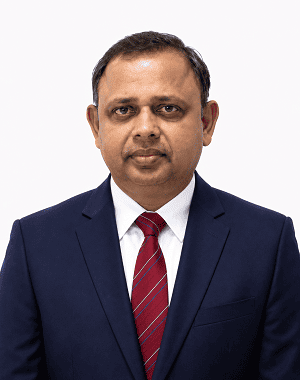
"In line with NEP 2020 and digital transformation, teaching today must be learner-centric, outcome-based, and technology-enabled. This FDP aims to equip faculty with innovative pedagogies, AI-driven tools, and strategies to enrich classroom engagement and strengthen academic processes."
|
Prof. (Dr.) Mahesh Kumar Gupta, Convenor, National FDP |
Days of intensive sessions
Total registrations
In-person participants
Highlights from Each Session
Day 1 · Session I
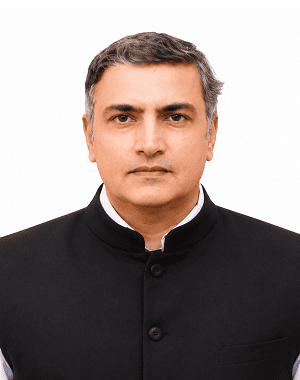 Dr. Prashant Salwan - IIM Indore
Skill Development, Digital Transformation & Future-Ready Education
Dr. Salwan emphasized that a degree alone no longer guarantees employment. He stressed the need for continuous skill development, project-based learning, entrepreneurship, and mentorship. He called for AI-integrated learning systems and highlighted successful models from IIT Jodhpur, ICT Mumbai, and NIT Jaipur as blueprints for faculty empowerment.
Day 1 · Session II
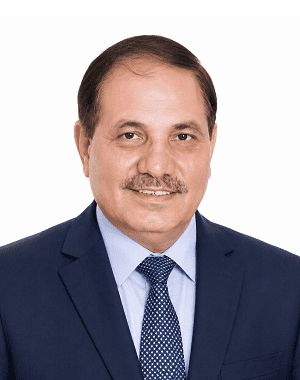 Dr. Sher Singh Bhakar - Prestige Institute of Management
The Nuances of Pedagogy
Dr. Bhakar explored the progression from pedagogy to andragogy and heutagogy. He discussed Bloom's Taxonomy, constructive alignment, cognitive load, and the power of questioning. He reminded faculty that "activity is not learning — reflection is the teaching," and cautioned against using technology merely as substitution.
Day 2 · Session I
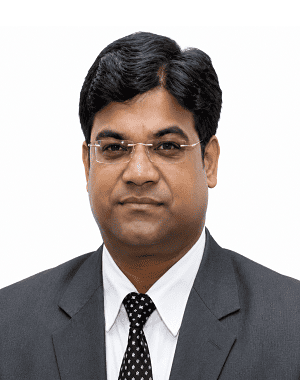 Dr. V. K. Jain - Teerthanker Mahaveer University
Instructional Design and Outcome-Based Education
Dr. Jain outlined how PEOs, POs, PSOs, and COs form the foundation of quality education and accreditation. He advocated for LMS, MOOCs, case studies, and CO-PO mapping to enable measurable, skill-focused outcomes aligned with NEP 2020.
Day 2 · Session II
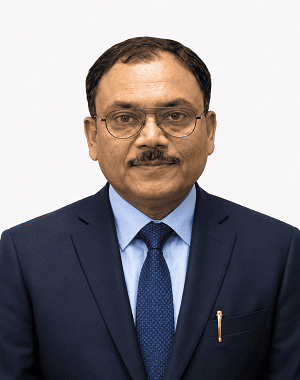 Dr. Mayank Saxena - Vice Chancellor, CPU Kota
Lifelong Learning and Educational Excellence
Dr. Saxena described institutional vision as "the soul of a university." He stressed equal focus on employment and entrepreneurship, collaborative research, and industry engagement. Referring to Bloom's Taxonomy, he emphasised cognitive, affective, and psychomotor domains and called on teachers to act as mentors who inspire confidence and character.
Day 3 · Session I
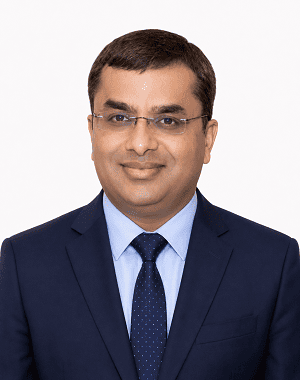 Mr. Sanjeev Agarwal - Impetus Technologies Pvt. Ltd., Indore
Role of Artificial Intelligence in Higher Education
Mr. Agarwal presented how AI is transforming education through personalised learning pathways, adaptive assessments, virtual labs, and AI-powered faculty tools. He also highlighted important challenges around bias, data privacy, and academic integrity, and concluded that human empathy and values remain irreplaceable even in an AI-powered world.
Day 3 · Session II
Dr. Mayank Saxena - Vice Chancellor, CPU Kota
Outcome Mapping, Assessment Design & Skill-Based Curriculum
Dr. Saxena guided faculty on CO–PO Mapping, Bloom's Taxonomy matrices, and assessment design covering cognitive, affective, and psychomotor domains. He emphasised that every unit of the syllabus must contribute to employability, and that proper alignment of COs with POs is the most critical competency of a university teacher.
Day 4 · Session I
 Dr. Ravi Changle - CEO, Compunnel Technologies
AI in Education & Academic Transformation
Dr. Changle outlined how AI is shifting teaching into an era of exponential growth. He introduced concepts like MCP Servers, AI as a teaching co-pilot, and the Design Sprint method for building AI-enabled teaching modules. He also stressed data privacy, prompt sanitisation, and UNESCO's AI ethics guidelines as essential safeguards.
Day 4 · Session II
Dr. Mayank Saxena - Vice Chancellor, CPU Kota
Academic Execution Planning
Dr. Saxena proposed a curriculum framework comprising Core Courses, Discipline-Specific Minors, Skill Enhancement Courses, and On-Job Training. He advocated for more credits on internships and live projects, and stressed the LTP model — Lecture, Tutorial, Practicum — to balance theory with real-world application under NEP 2020.
Day 5
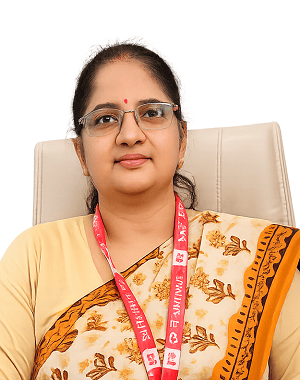 Dr. Amita - Controller of Examinations, Sage University
Designing Effective Assessment in Outcome-Based Education
Dr. Amita urged faculty to move beyond recall-based testing toward purpose-driven, continuous assessment. She covered Diagnostic, Formative, and Summative assessment types, the ABCD Model for writing learning outcomes, and tools like rubrics and checklists. NEP 2020's open book examination flexibility was also discussed.
Event Gallery
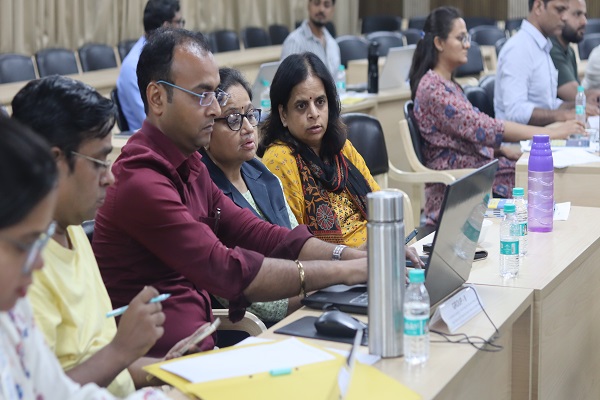
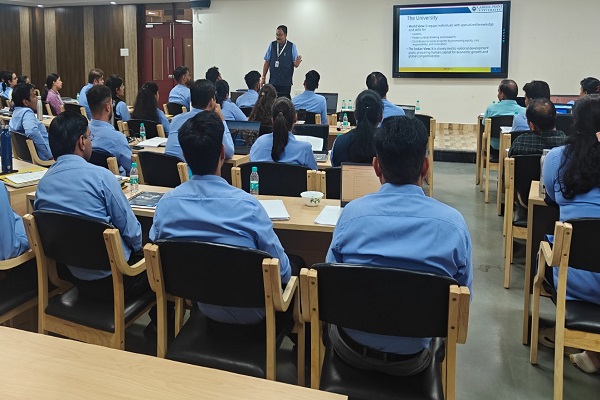
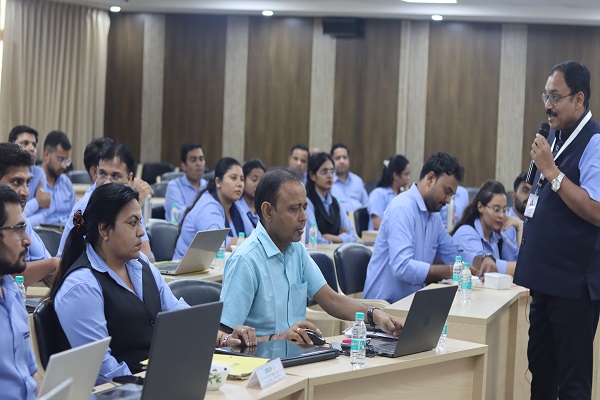
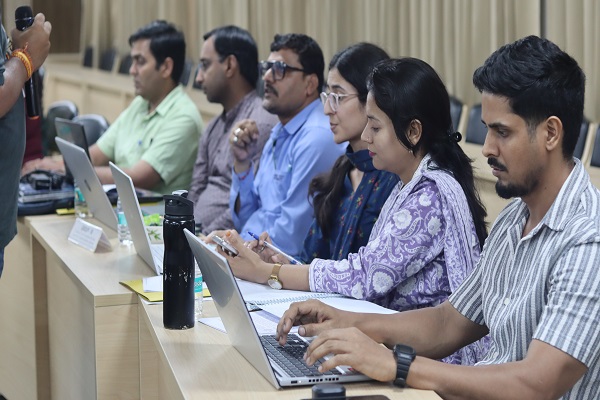
A Step Towards Future-Ready Education
The five-day National FDP concluded on June 26, 2026, with a collective resolve to promote teaching excellence, innovation, academic quality, and student-centred education across higher education institutions. Career Point University reaffirmed its commitment to building a knowledge-driven, future-ready academic ecosystem in alignment with the aspirations of New India.